
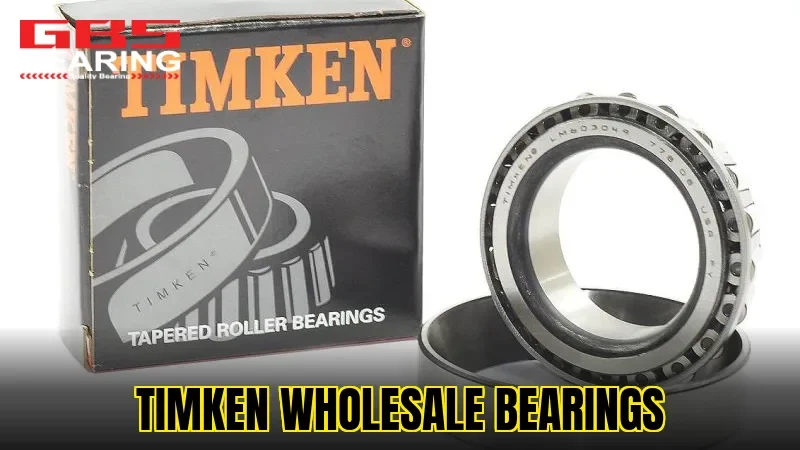
When it comes to reliable power transmission components, TIMKEN Tapered Roller Bearings stand out as one of the most trusted solutions across demanding industrial environments. Engineered with exceptional precision and backed by over a century of manufacturing expertise, these bearings are designed to handle both radial and axial loads simultaneously — a capability that sets them apart from conventional bearing types. From heavy machinery and automotive drivetrains to mining equipment and aerospace systems, TIMKEN’s tapered roller technology delivers performance that engineers worldwide depend on.
What Makes TIMKEN Tapered Roller Bearings A Global Engineering Standard
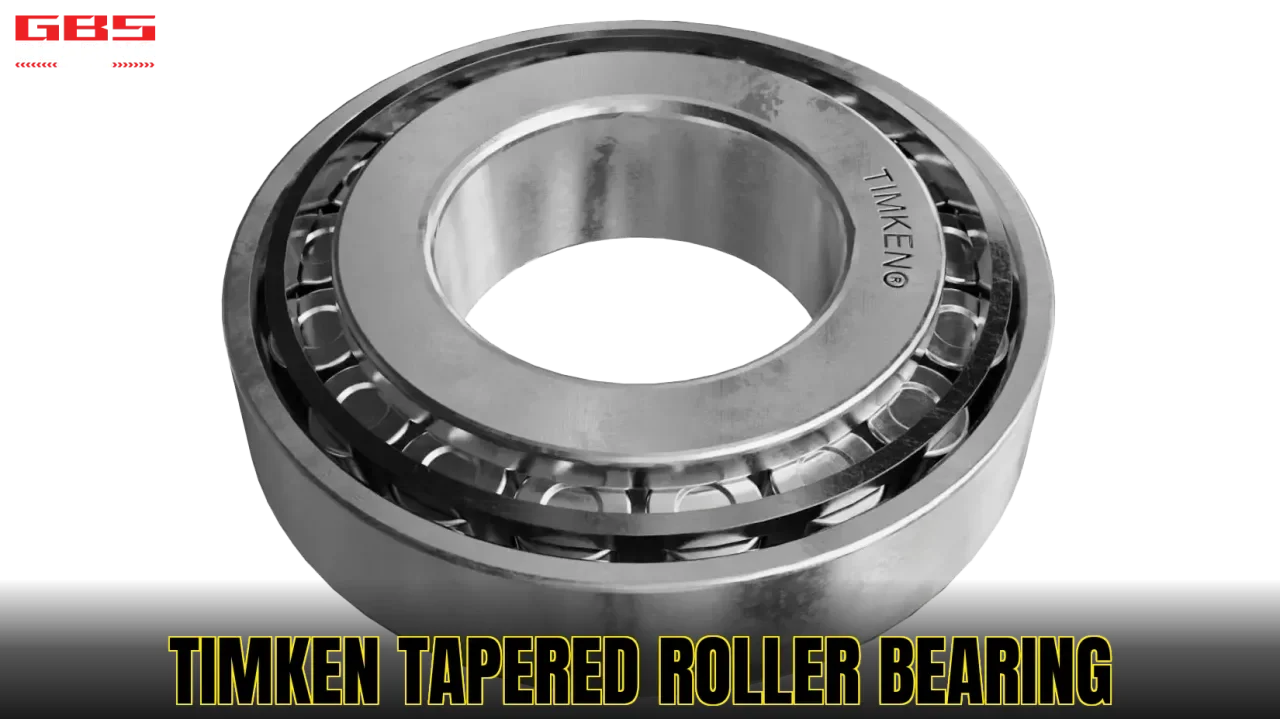
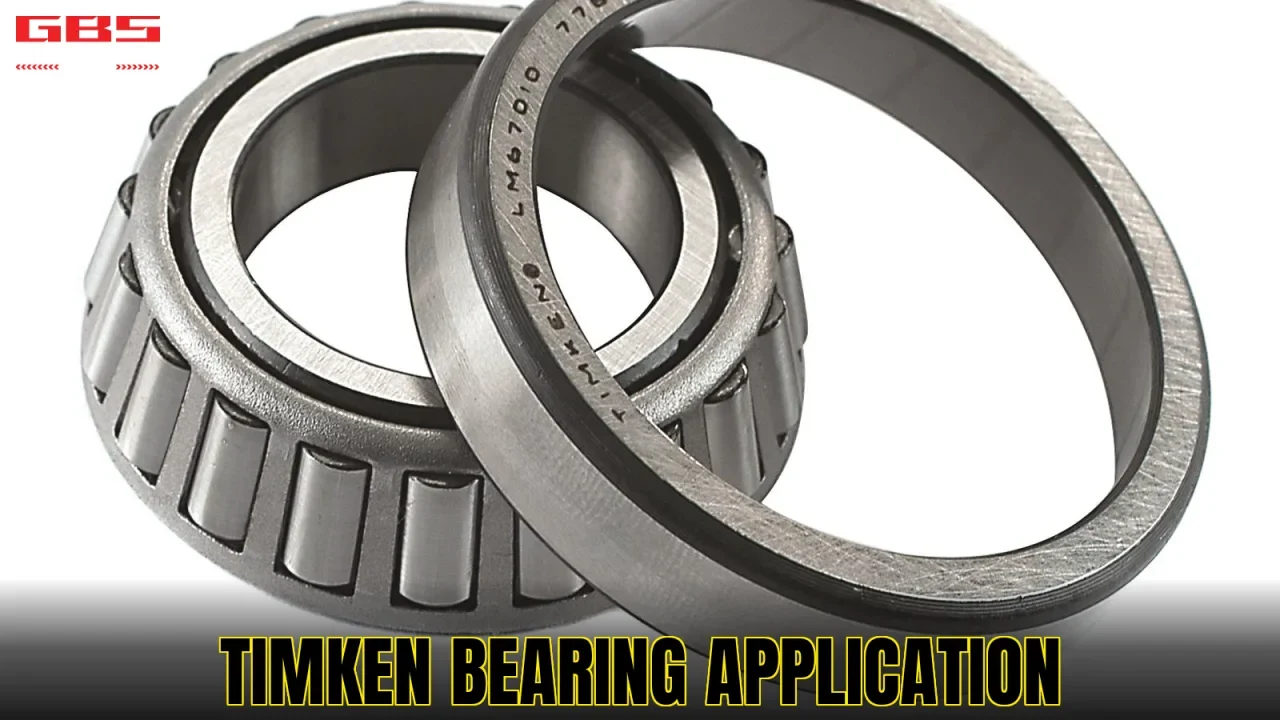
The reputation of TIMKEN Tapered Roller Bearings was not built overnight. Founded in 1899, The Timken Company pioneered the tapered roller bearing design, fundamentally changing how rotating machinery handles combined loading conditions. The geometry of a tapered roller bearing — featuring cone-shaped rollers arranged between an inner cone and an outer cup — allows forces to be distributed along the roller’s length rather than concentrated at a single point. This design principle dramatically extends service life and reduces wear under high-stress operating conditions.
Core Design Principles Behind Tapered Roller Technology
The fundamental advantage of the tapered roller design lies in its ability to manage thrust loads that would overwhelm cylindrical or ball bearing configurations. In a tapered roller bearing, the apex of each roller’s cone aligns with the bearing axis, ensuring pure rolling motion with minimal sliding friction. This geometric relationship — known as the apex rule — is the cornerstone of efficient load transfer and is precisely maintained in every TIMKEN Tapered Roller Bearings product. Deviations from this principle, even at microscopic levels, can result in heat generation, premature fatigue, and reduced operational efficiency.
Material Innovation And Heat Treatment Excellence
TIMKEN’s proprietary steel formulations, including their Alloy Steel and ToughMet materials, are specifically developed to optimize the performance envelope of tapered roller bearings. The carburizing and induction hardening processes applied to TIMKEN components produce a hardened case with a tough, ductile core — a structure that resists both surface fatigue and subsurface crack propagation. This metallurgical approach directly contributes to the extended L10 life ratings that make TIMKEN Tapered Roller Bearings a preferred choice in critical applications where unplanned downtime carries significant operational and financial consequences.
Precision Manufacturing Standards And Quality Control
Every TIMKEN Tapered Roller Bearings unit is manufactured to ABEC precision standards, with many product lines meeting ABEC-3 and ABEC-5 tolerances as standard practice. Dimensional consistency across large production batches is maintained through automated inspection systems that measure critical parameters including bore diameter, raceway geometry, roller profile, and internal clearance. These quality control measures ensure interchangeability and predictable performance across replacement cycles, which is especially important in fleet maintenance applications where bearing consistency directly impacts maintenance scheduling efficiency.
Key Application Areas Where TIMKEN Tapered Roller Bearings Deliver Superior Performance
The versatility of TIMKEN Tapered Roller Bearings is evident in the breadth of industries that rely on them. These bearings are engineered to perform across a wide spectrum of operating conditions, from low-speed, high-load applications to high-speed precision environments. Understanding where and why these bearings excel helps engineers make informed specification decisions that optimize both performance and total cost of ownership.
| Application Sector | Typical Load Type | Recommended TIMKEN Series | Key Performance Benefit |
|---|---|---|---|
| Automotive Wheel Hubs | Combined radial + axial | Single Row Tapered | High thrust capacity, compact design |
| Industrial Gearboxes | Heavy radial + moderate thrust | Double Row Tapered | Rigid shaft support, long service life |
| Mining Equipment | Extreme shock + contamination | Heavy-Duty Series | Enhanced sealing, high load ratings |
| Rolling Mill Drives | Very high radial loads | Four-Row Tapered | Maximum load capacity, precision alignment |
| Aerospace Systems | High-speed, precision loads | Precision Grade Tapered | Low noise, tight dimensional tolerances |
Selecting, Mounting, And Maintaining TIMKEN Tapered Roller Bearings For Long Service Life
Proper selection, installation, and maintenance are as critical to bearing performance as the bearing’s intrinsic design quality. Even the highest-grade TIMKEN Tapered Roller Bearings will underperform or fail prematurely if incorrectly specified, improperly mounted, or inadequately lubricated. TIMKEN provides detailed engineering documentation and digital tools — including their Bearing Interchange and Engineering Calculator — to support engineers throughout the specification and installation process.
TIMKEN Tapered Roller Bearings Installation Best Practices
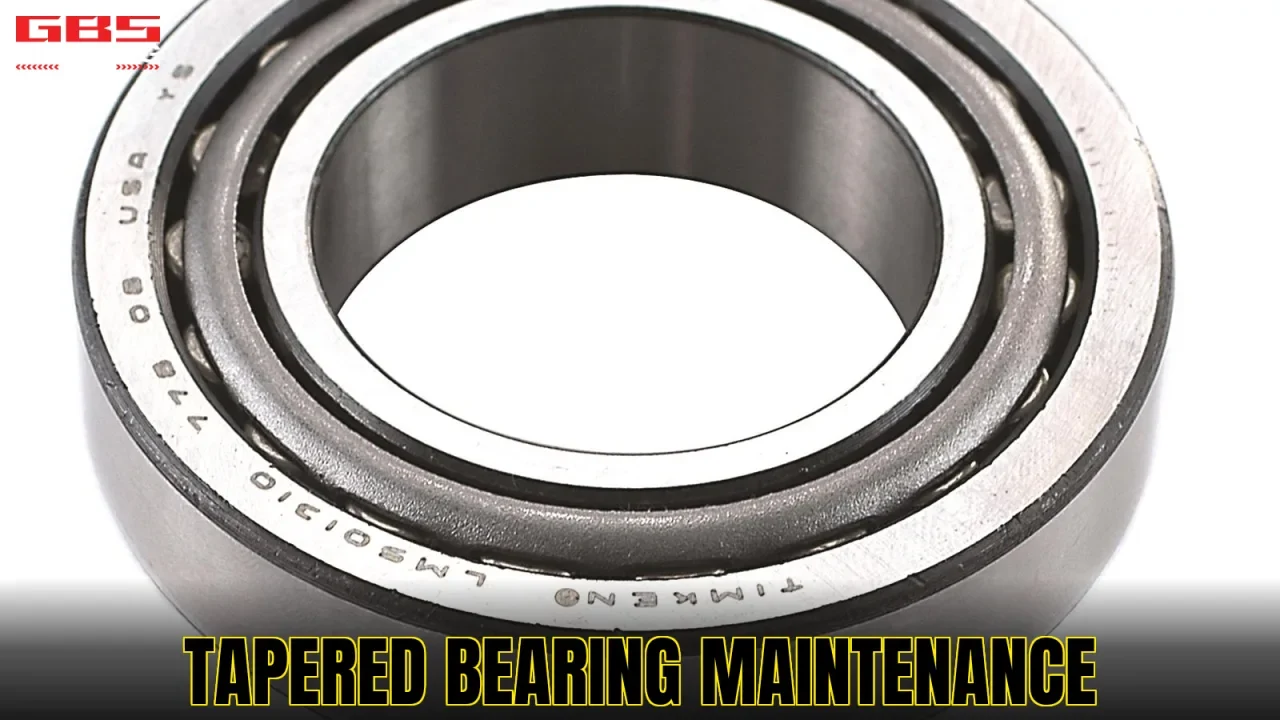
Correct mounting procedures are essential to realizing the full performance potential of tapered roller bearings. TIMKEN recommends using hydraulic mounting tools or induction heaters to achieve proper interference fits without damaging bearing raceways or rolling elements. Cold pressing, while common in field conditions, must be performed with appropriate fixtures that apply force only to the ring being pressed. Incorrect mounting that applies force through the rolling elements can cause brinelling of the raceways, introducing stress concentrations that initiate fatigue failure well before the bearing’s calculated service life.
Lubrication Strategies For Optimal Bearing Performance
Lubrication is the single most impactful maintenance factor in tapered roller bearing performance. TIMKEN recommends grease lubrication for most sealed and shielded bearing configurations, while oil lubrication is preferred in high-speed or high-temperature applications where heat dissipation is critical. The lubricant viscosity grade must be matched to the bearing’s operating speed and temperature to maintain an adequate film thickness at the roller-raceway contact zone. Under-lubrication leads to metal-to-metal contact and accelerated surface fatigue, while over-greasing generates excessive heat through churning — both conditions dramatically reducing bearing service life.
Condition Monitoring And Relubrication Intervals
Modern predictive maintenance programs integrate vibration analysis, temperature monitoring, and oil analysis to assess the health of TIMKEN Tapered Roller Bearings in service. TIMKEN’s engineering team recommends establishing baseline vibration signatures upon installation and tracking deviations over time to identify early-stage defects before they progress to catastrophic failure. Relubrication intervals should be calculated based on bearing size, speed, and operating temperature using TIMKEN’s published relubrication formulas, rather than relying on fixed calendar-based schedules that fail to account for actual operating conditions.
Conclusion
TIMKEN Tapered Roller Bearings represent the convergence of advanced material science, precision engineering, and deep application knowledge — a combination that has made them the preferred choice of design engineers and maintenance professionals across industries worldwide. From selecting the correct bearing series to implementing proper installation and lubrication practices, every step of the bearing’s lifecycle contributes to achieving maximum service life and operational reliability. For businesses seeking a trusted Bearing Supplier with access to genuine TIMKEN products and expert technical support, partnering with an authorized distributor ensures both product authenticity and the application guidance needed to optimize bearing performance in your specific operating environment.
Xem thêm: TIMKEN EE295102/295193 Bearing | Tapered Roller Type