
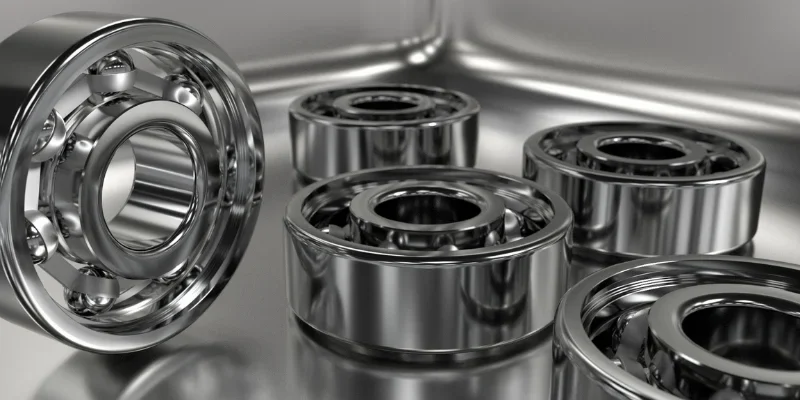
SKF bearing numbers explained helps readers understand the structure of SKF bearing codes, from basic number series to prefixes, suffixes, and size designations. GBS Bearing focuses on explaining how to identify bearing types, bore diameters, special designs, and technical variations, while also showing how to cross-reference codes to minimize incorrect product selection in practical applications.
SKF bearing numbers explained by code structure
SKF bearing numbers explained helps users understand how to read the designation system on SKF bearings through number series, prefixes, and technical suffixes. The code structure represents the bearing type, dimensions, and design characteristics of the product.
How do basic number series identify bearing types
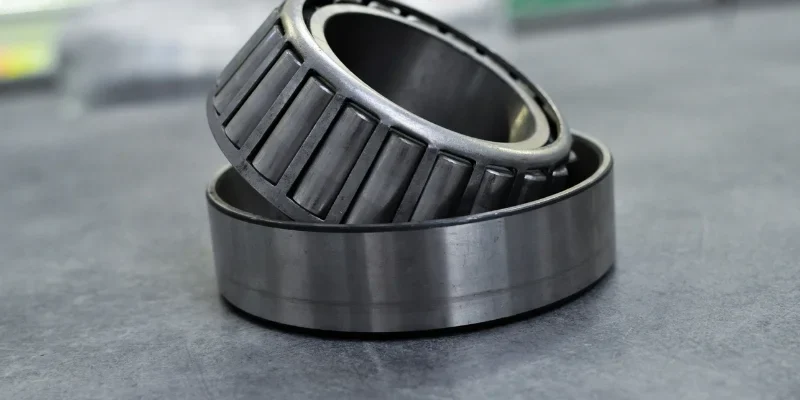
In SKF bearing numbers explained, the basic number series is the first part used to identify the bearing group and its main structural characteristics. This code usually represents product series such as deep groove ball bearings, spherical roller bearings, or roller bearings.
For example, different code series may represent designs with different load capacities, operating capabilities, and specific applications. The basic number section helps users distinguish bearing types before reviewing additional information provided by suffixes.
How do the last two digits indicate bore diameter
The last two digits in SKF bearing numbers explained are commonly related to the bearing bore diameter according to standard coding conventions. This is important information for determining installation compatibility on a machine shaft.
The reading process is based on converting the designation into actual dimensions. For example, certain code groups represent increasing bore diameters according to specific rules, helping users select bearings that match equipment designs.
What special designs do prefixes indicate
Prefixes in SKF bearing numbers explained are used to describe specific design features placed before the main code. These symbols may relate to construction, materials, or product versions.
Some bearings include prefixes that indicate special requirements such as high load capacity, different operating environments, or optimized designs for specific applications. Understanding prefixes helps distinguish versions that have the same dimensions but different configurations.
Decoding suffixes by technical characteristics
SKF bearing numbers explained is not only based on the main number section but also requires reading the suffixes after the product code. These symbols describe technical characteristics such as clearance, sealing type, materials, and accuracy levels.
How clearance suffixes reflect internal play
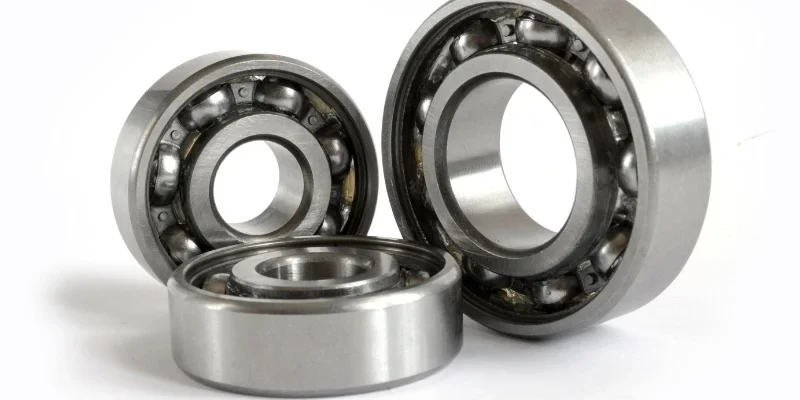
Suffixes in SKF bearing numbers explained may indicate the internal clearance class of the bearing. This specification describes the space between rolling elements and bearing rings, affecting operating performance under different conditions.
Different clearance levels are suitable for specific temperature ranges, loads, or rotation speeds. For example, bearings used in high-temperature equipment may require a different clearance configuration compared with bearings operating under normal conditions.
What do seal symbols indicate about protection types
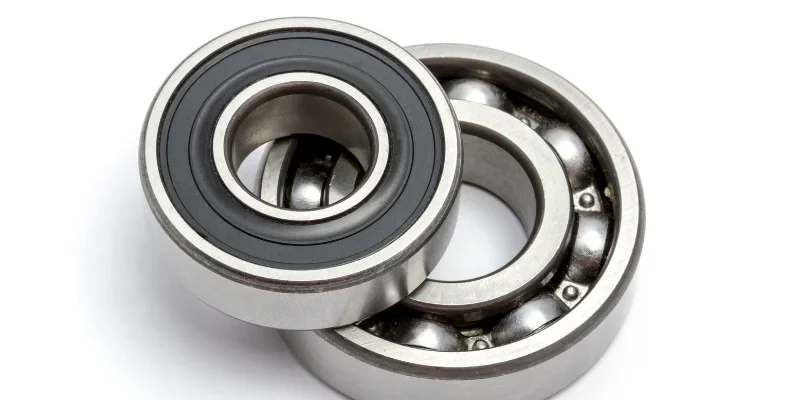
Seal symbols in SKF bearing numbers explained describe the method used to protect the internal bearing components from dust, contaminants, or external environmental impacts. This section helps identify whether a bearing has an open or sealed design.
Some codes indicate shield types or contact seals, while other designs use non-contact shields. These differences affect protection capability and maintenance requirements of the equipment.
How do material and accuracy codes differ
In the SKF bearing numbers explained system, suffixes related to materials and accuracy grades represent the ability to meet specific technical requirements. These codes help identify bearings manufactured according to special standards.
| Code characteristic | Meaning | Common applications |
| Material | Manufacturing composition | Industrial equipment |
| Accuracy | Machining tolerance | High-speed machines |
| Special configuration | Customized design | Specialized applications |
These details help classify bearings according to operating requirements rather than relying only on external dimensions.
How to cross-reference codes before selecting bearings
Applying SKF bearing numbers explained in practice requires combining product codes, dimensions, and operating conditions. Accurate cross-referencing helps determine the correct bearing configuration for replacement purposes.
Check dimensions before replacement
When applying SKF bearing numbers explained, dimensions are the first factor that needs to be checked before replacing a bearing. The three commonly reviewed measurements include bore diameter, outside diameter, and width.
A bearing with a similar code may still have different dimensions or installation requirements. Therefore, comparing technical specifications with the existing bearing helps determine the product that is suitable for the equipment.
Compare suffixes to avoid incorrect configurations
Suffixes in SKF bearing numbers explained determine many operating characteristics of bearings. Two products with the same main number series but different suffixes may vary in seals, clearance, or accuracy levels.
For example, bearings used in electric motors may require a different configuration compared with bearings used in heavy industrial machinery. Reading the complete code helps identify the correct replacement version.
GBS Bearing supports code verification when unclear
GBS Bearing provides supporting information related to reading and cross-referencing bearing codes during product selection. For cases where designations are unclear, analyzing each part of the code helps clarify the bearing type and technical characteristics.
In SKF bearing numbers explained, understanding number structures and suffixes helps connect catalogue information with actual requirements. This approach supports the process of finding bearings with suitable configurations for different equipment.
Conclusion
SKF bearing numbers explained becomes easier to understand when the code is separated into series, bore size, prefixes, and technical suffixes. By accurately reviewing all these components, readers can correctly identify bearing types and reduce configuration mistakes during replacement. GBS Bearing recommends checking the complete code, dimensions, and suffixes before selecting or installing bearings.