
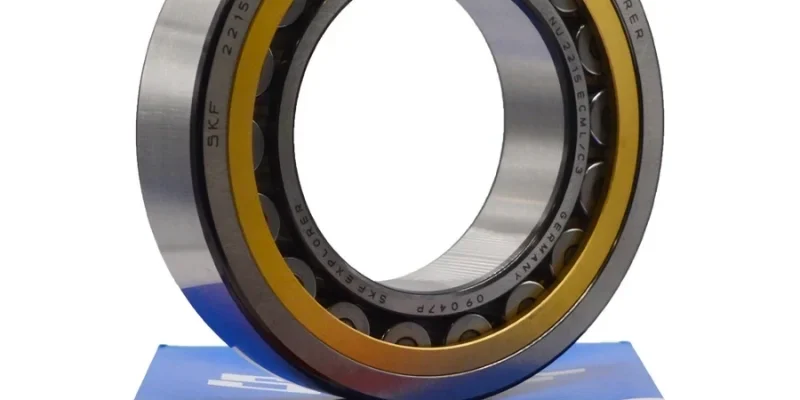
SKF bearing installation guide focuses on the essential steps required to install bearings correctly, from inspecting shafts and housings, selecting installation methods, controlling pressing force or temperature, to evaluating the condition after installation. The content from GBS Bearing helps beginners understand the process while clarifying errors that can cause misalignment, deformation, or reduced bearing service life.
Fundamentals of SKF bearing installation guide
SKF bearing installation guide presents the basic principles of bearing installation, from surface preparation to selecting suitable installation methods. The content focuses on technical conditions that help bearings operate with the correct configuration.

Shaft and housing surface conditions before installation
In SKF bearing installation guide, shaft and bearing housing surfaces are the first factors that need to be prepared before positioning the bearing. Contact surfaces must have suitable cleanliness, without metal particles, contaminated oil, or defects that affect fitting accuracy.
Shaft diameter, housing bore, and roundness of the mounting position must meet design requirements. For example, a scratched shaft surface can change the contact condition between the inner ring and shaft, affecting stable bearing rotation.
Selecting interference fit based on load and speed
The interference fit in SKF bearing installation guide is determined based on bearing operating conditions such as load, rotation speed, and mounting type. A suitable interference fit helps the bearing maintain a stable position under applied forces.
High-load applications often require tighter fits to prevent bearing rings from slipping on the shaft. In contrast, equipment with high rotation speeds or frequent maintenance requirements may use different fitting methods to match operating needs.
Checking tools before installing bearings
Tools are an important part of SKF bearing installation guide because applying force at the wrong location can damage the bearing. Installation equipment usually includes mounting sleeves, fitting tools, heating devices, or specialized measuring instruments.
When installing bearings, force must be transmitted through the correct ring that receives the mounting force. For example, pressing an inner ring onto a shaft requires force to be applied to the inner ring instead of transferring force through the rolling elements or outer ring, protecting the internal structure.
Analyzing installation methods by bearing design
Bearing installation methods vary depending on construction type and operating conditions. SKF bearing installation guide divides common methods such as cold mounting, hot mounting, and tapered bearing installation to suit different designs.
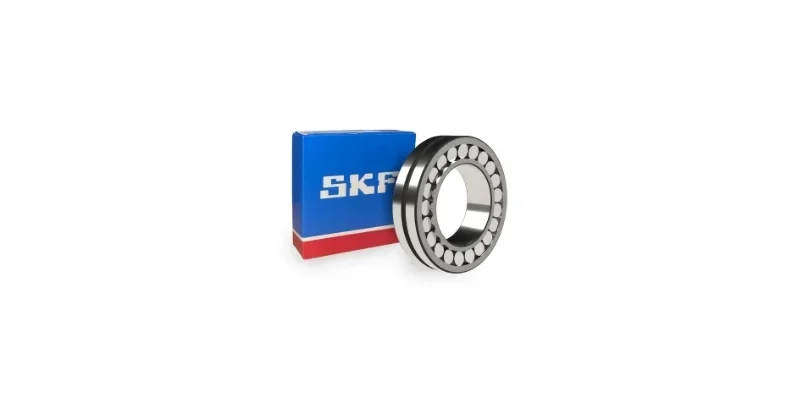
Cold mounting by applying force to the correct ring
Cold mounting in SKF bearing installation guide is a method that uses mechanical force to install the bearing into position without heating. This method is commonly applied to smaller bearings or bearings with moderate interference fits.
During installation, pressing force must be applied directly to the ring being installed. For example, when pressing an inner ring onto a shaft, force should not be transferred through the outer ring because it can create unnecessary loads on the rolling elements.
Hot mounting by controlling bearing temperature
Hot mounting uses the principle of thermal expansion of metal to slightly expand the inner ring before installing it onto the shaft. In SKF bearing installation guide, this method is commonly applied to large bearings or cases with high interference fits.
| Method | Characteristics | Applications |
| Bearing heating | Temporarily increases inner ring size | Large bearings |
| Mechanical pressing | Uses direct force | Small bearings |
| Induction equipment | Provides uniform temperature control | Industrial installation |
Temperature control helps minimize deformation and maintain the material properties of the bearing.
Installing tapered bearings according to clearance and axial displacement
For tapered roller bearings, SKF bearing installation guide emphasizes the relationship between axial displacement and internal clearance. When the bearing is pushed into the tapered position, clearance changes according to the amount of displacement.
The installation process must be adjusted to achieve the appropriate balance between load capacity and free rotation. For example, tapered roller bearings in gearboxes often require precise control of installation position to maintain proper contact between rollers and tapered surfaces.
Post-installation inspection and error correction
After installation is completed, inspection helps determine whether the bearing has been positioned correctly. SKF bearing installation guide includes evaluation steps for rotation condition, clearance, and abnormal signs during operation.
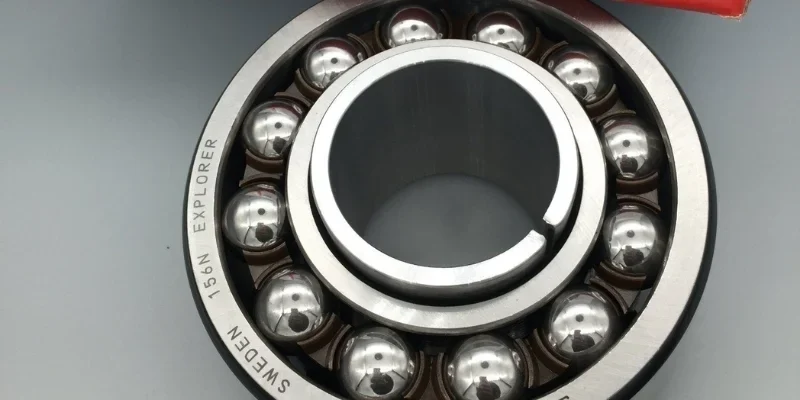
Measuring rotation, clearance, and alignment
In SKF bearing installation guide, post-installation parameters help evaluate the initial operating condition of the bearing. Rotation condition, internal clearance, and alignment between the shaft and housing directly affect operating performance.
Common inspection factors include:
- Smoothness of rotation by hand or measuring equipment.
- Radial or axial clearance.
- Alignment position between components.
- Stability after applying load.
These parameters reflect the compatibility between the bearing and the machine assembly.
Identifying noise caused by misalignment or excessive tightness
Abnormal noise is a common indication when bearings experience installation errors. According to SKF bearing installation guide, causes may include misalignment, incorrect pressing force, or changes in internal clearance.
For example, an overly tight bearing fit can increase friction, while misalignment can cause uneven load distribution across rolling elements. Identifying sound and vibration levels helps determine the condition of the bearing assembly.
GBS Bearing checks signs of incorrect installation
GBS Bearing uses information from SKF bearing installation guide to support the identification of issues related to bearing installation processes. The inspection focuses on product codes, dimensions, installation methods, and operating conditions.
Common signs reviewed include unstable rotation, abnormal noise, increased temperature, or misalignment between the bearing and mounting position. These details help determine suitable installation configurations for each application.
Conclusion
SKF bearing installation guide helps organize the complete process from preparing mounting surfaces, selecting suitable methods, to checking rotation, clearance, and alignment after installation. Following each step correctly helps reduce damage caused by excessive force, heat, or incorrect fitting. GBS Bearing recommends verifying technical specifications before operation.