
Bearing Brands: A Complete Guide To Choosing The Right
When it comes to industrial machinery and mechanical systems, selecting the right Bearing Brands can make the difference between seamless performance and costly downtime. With hundreds of manufacturers operating globally, engineers and procurement specialists face an increasingly complex decision-making process. From precision spindle bearings used in aerospace applications to heavy-duty spherical roller bearings found in mining equipment, the quality of the brand behind the product directly impacts operational reliability. This guide explores the most trusted names in the industry, what sets them apart, and how to make an informed choice when sourcing bearings for any application.
Why Bearing Brands Matter More Than You Think
The bearing market is saturated with options, ranging from premium OEM-grade products to low-cost alternatives that may appear identical on the surface. However, the brand behind a bearing communicates far more than a name on a label. It reflects decades of research and development, quality control processes, material sourcing standards, and engineering expertise. Choosing reputable Bearing Brands ensures that dimensional tolerances are consistently met, that internal clearances are correctly specified, and that the grease or lubrication used meets the demands of the intended operating environment.
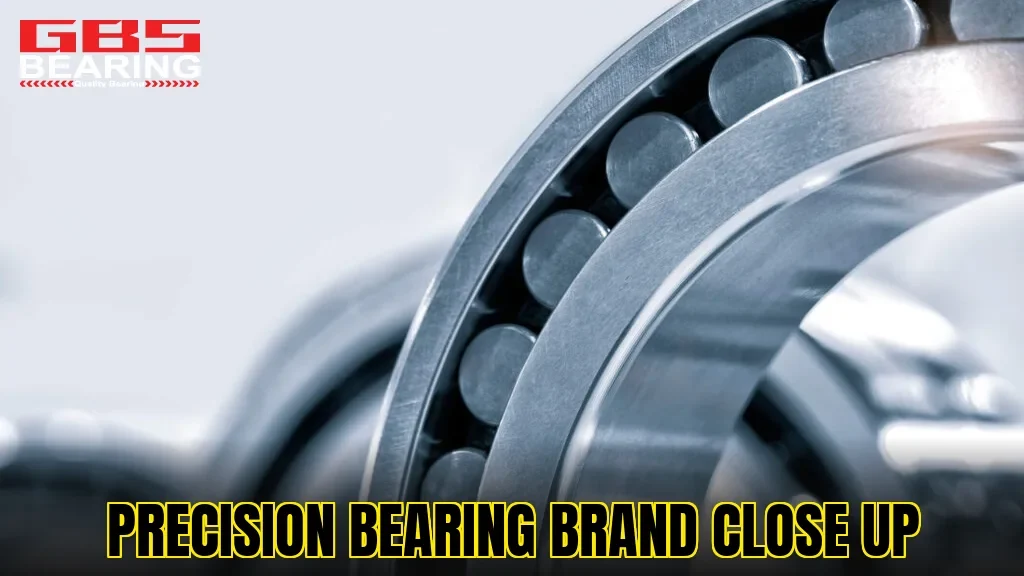
Beyond performance, well-established Bearing Brands typically offer comprehensive technical support, detailed product catalogues, and global distribution networks. This means faster lead times, easier replacement sourcing, and access to application engineers who can recommend the most suitable product for specific load conditions, speeds, and temperatures. For maintenance teams managing large fleets of machinery, brand consistency also simplifies inventory management and reduces the risk of mismatched components entering the supply chain.
Top Bearing Brands Trusted By Engineers Worldwide
The global bearing industry is dominated by a handful of manufacturers whose reputations have been built over a century of innovation. Understanding what each brand specialises in helps buyers make smarter procurement decisions. Below is an overview of the most widely recognised names in the sector, followed by a detailed comparison table.
SKF – The Swedish Pioneer Of Precision Engineering
SKF, founded in Sweden in 1907, is widely regarded as one of the most technically advanced Bearing Brands in existence. The company pioneered the self-aligning ball bearing and has since expanded its portfolio to include deep groove ball bearings, angular contact bearings, tapered roller bearings, and a vast range of housed units. SKF bearings are particularly renowned for their tight tolerances, long service life, and compatibility with condition monitoring technologies. Industries such as automotive, wind energy, and food processing rely heavily on SKF’s product range due to its consistent quality and extensive application data.
FAG And Schaeffler – German Precision At Its Best
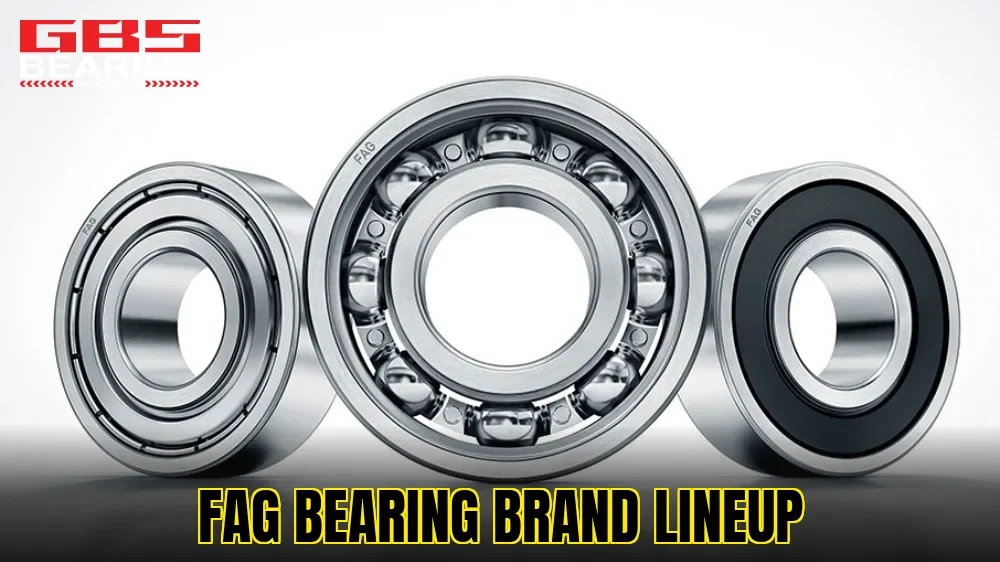
FAG, now part of the Schaeffler Group, represents one of Germany’s most respected contributions to mechanical engineering. As one of the leading Bearing Brands in Europe, FAG is synonymous with high-precision rolling element bearings designed for demanding industrial environments. The Schaeffler Group also encompasses the INA brand, which focuses on needle roller bearings, cam followers, and linear guidance systems. Together, these brands provide a comprehensive solution for applications requiring both rotary and linear motion control. Their manufacturing facilities adhere to stringent ISO and DIN standards, ensuring dimensional accuracy across every product line.
NSK, NTN, And JTEKT – Asia’s Contribution To Global Bearing Excellence
Japanese manufacturers have made an enormous impact on the global bearing industry. NSK, NTN, and JTEKT (which owns the Koyo brand) are among the most prominent Bearing Brands originating from Japan. NSK is particularly well regarded for its innovations in noise reduction and vibration control, making its bearings a popular choice in electric motors and precision machine tools. NTN has developed a strong presence in automotive driveline components, while JTEKT’s Koyo bearings are widely used in steering systems and industrial gearboxes. All three companies invest heavily in research and development, regularly introducing new materials and heat treatment processes that extend bearing fatigue life.
| Brand | Country Of Origin | Key Specialisation | Industries Served | Notable Product Lines |
|---|---|---|---|---|
| SKF | Sweden | Precision engineering, condition monitoring | Automotive, wind energy, food processing | Explorer bearings, CARB toroidal rollers |
| FAG (Schaeffler) | Germany | High-precision rolling element bearings | Industrial machinery, aerospace | X-life bearings, spherical roller bearings |
| NSK | Japan | Noise reduction, vibration control | Electric motors, machine tools | Molded-Oil bearings, Robust series |
| NTN | Japan | Automotive driveline components | Automotive, industrial | Hub unit bearings, tapered rollers |
| Timken | USA | Tapered roller bearings, steel products | Mining, rail, agriculture | Timken tapered rollers, Timken Drives |
| Koyo (JTEKT) | Japan | Steering systems, gearbox applications | Automotive, industrial gearboxes | Needle rollers, deep groove ball bearings |
How To Evaluate Bearing Brands For Industrial Applications
Choosing between competing Bearing Brands requires a structured evaluation process that goes beyond simply comparing catalogue prices. Application-specific factors must be considered alongside brand credentials to ensure the selected product delivers optimal performance throughout its intended service life. Several key criteria should guide any purchasing decision.
Load Capacity And Speed Ratings
Every bearing manufacturer publishes dynamic and static load ratings alongside speed limits for each product in their catalogue. These figures, calculated in accordance with ISO 76 and ISO 281 standards, provide the foundation for comparing Bearing Brands on a technical level. Dynamic load capacity (C) determines how well a bearing withstands rolling contact fatigue under rotating loads, while static load capacity (C0) is relevant when the bearing operates under heavy loads at low or zero speed. When evaluating brands, it is important to verify that these ratings are calculated using consistent methodology, as some lower-tier manufacturers may publish inflated figures that do not reflect real-world performance under combined axial and radial loading conditions.
Material Quality And Heat Treatment Standards
The metallurgical quality of bearing steel directly influences fatigue life, corrosion resistance, and dimensional stability under thermal cycling. Leading Bearing Brands typically use through-hardened chrome steel (100Cr6) or case-hardened steels for specific applications, with hardness values tightly controlled between 58 and 65 HRC. Stainless steel variants are available from most major manufacturers for corrosive or food-grade environments. Ceramic hybrid bearings, which replace steel rolling elements with silicon nitride balls, are offered by premium brands for high-speed, high-temperature applications where electrical insulation is also required. The heat treatment process, including austenitising temperature, quenching method, and tempering cycle, must be consistent across production batches to guarantee uniform hardness profiles.
Certification, Compliance, And Counterfeit Awareness
One of the most critical considerations when sourcing from any of the major Bearing Brands is ensuring product authenticity. Counterfeit bearings represent a significant and growing problem in the global supply chain, with fake products often bearing the logos of SKF, FAG, or NSK while containing substandard materials and poor dimensional accuracy. Legitimate bearings from reputable manufacturers will carry traceable batch codes, consistent laser markings, and documentation supporting ISO 9001 or IATF 16949 quality management certification. Buyers should always source from authorised distributors and request certificates of conformity where required. Visual inspection alone is insufficient to detect high-quality counterfeits, making supply chain traceability an essential component of any procurement strategy involving premium bearing products.
Conclusion
Navigating the world of Bearing Brands requires both technical knowledge and a reliable supply chain partner. From SKF’s century-long legacy of precision engineering to the innovative contributions of Japanese manufacturers like NSK and NTN, the right brand choice depends on your specific application, load requirements, operating environment, and budget. Ensuring product authenticity, verifying material certifications, and working with authorised distributors are all non-negotiable steps in a sound procurement process. If you are looking for a trusted Bearing Supplier that stocks a wide range of premium brands and provides expert technical guidance, explore the full product range available to find the perfect solution for your machinery needs.