
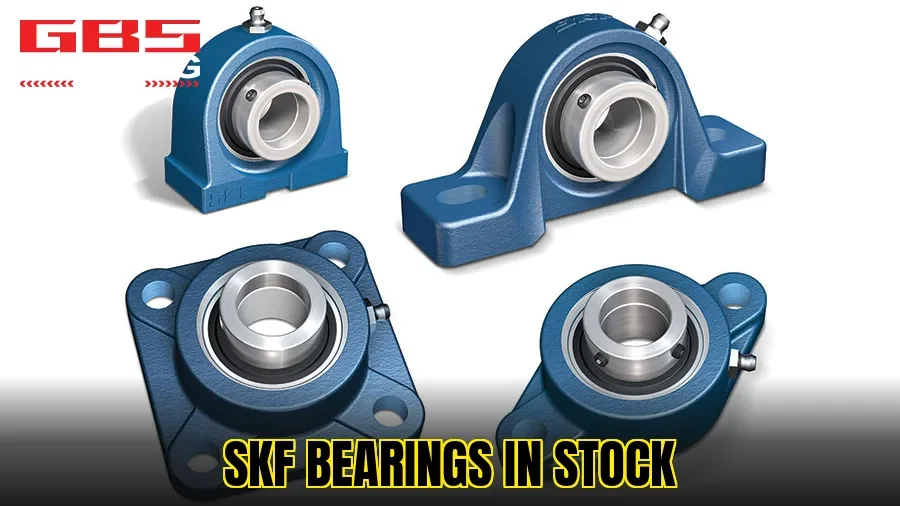
The SKF Bearing Catalogue Guide is one of the most comprehensive technical references available for engineers, procurement specialists, and maintenance professionals worldwide. Whether you are sourcing bearings for heavy industrial machinery, automotive systems, or precision instruments, understanding how to navigate and interpret this catalogue is essential. This guide walks you through the structure, key sections, and practical application of the SKF bearing catalogue, helping you make informed decisions, reduce downtime, and optimize equipment performance with confidence and accuracy.
Why The SKF Bearing Catalogue Guide Matters In Industrial Applications
SKF is one of the world’s leading bearing manufacturers, and their catalogue is far more than a simple product list. The SKF Bearing Catalogue Guide serves as a complete engineering reference that covers load ratings, dimensional standards, material specifications, lubrication recommendations, and mounting instructions. For professionals working in demanding environments, having a reliable reference source can mean the difference between optimal machine performance and costly mechanical failure. The depth of technical data provided in the SKF catalogue reflects decades of research, field experience, and engineering innovation that few competitors can match.
Key Bearing Categories Covered In The Catalogue
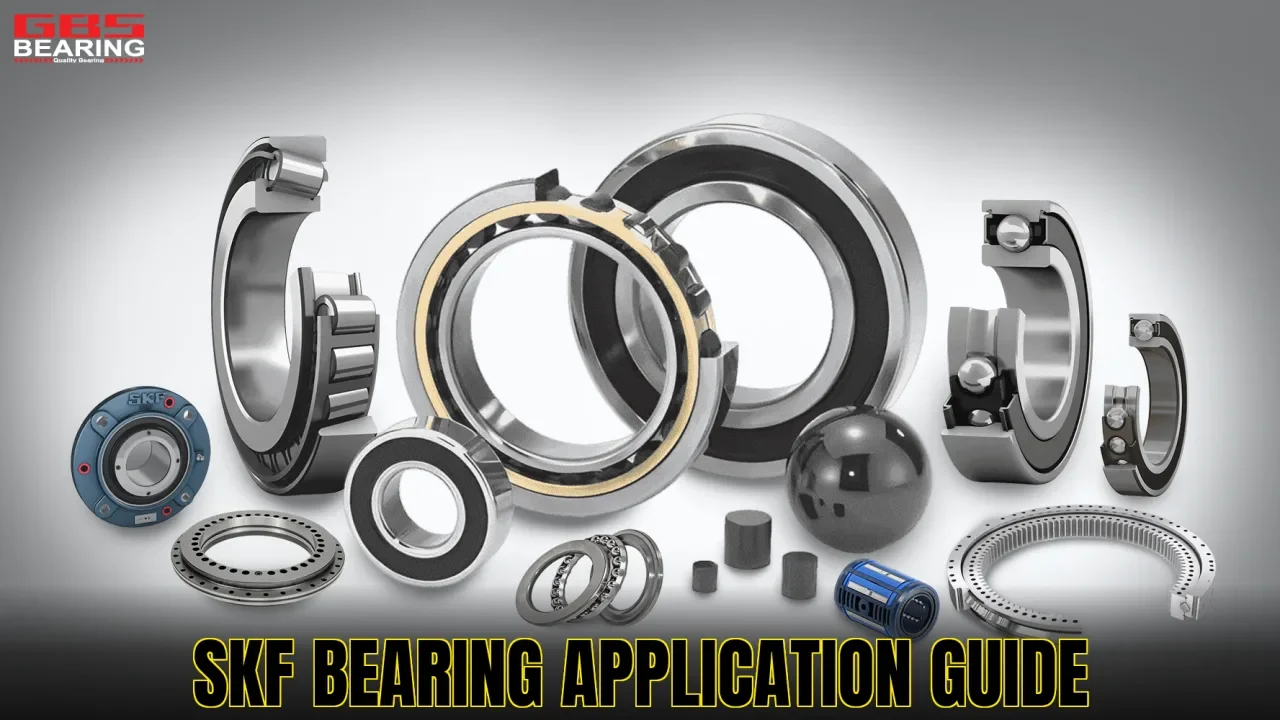
The SKF catalogue organizes bearings into well-defined product families, each with its own technical section. Deep groove ball bearings, angular contact ball bearings, cylindrical roller bearings, tapered roller bearings, spherical roller bearings, and thrust bearings are among the primary categories addressed. Each section provides dimensional tables, tolerance classes, internal clearance data, and dynamic and static load ratings. This structured approach makes it straightforward to compare products within the same family and identify the most suitable option for a specific application requirement.
How To Read SKF Bearing Designation Codes
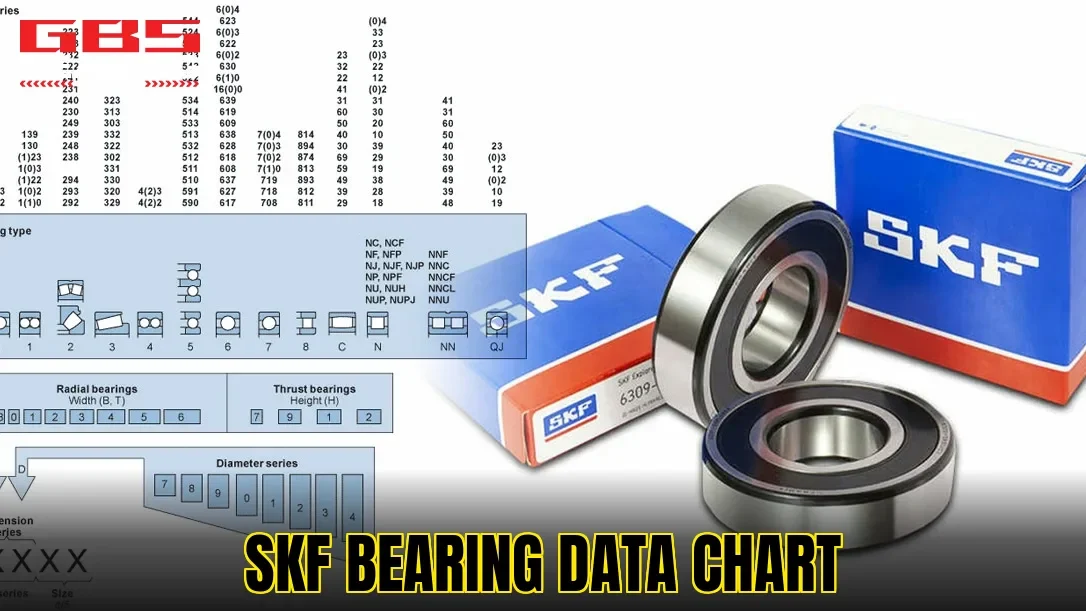
One of the most practical elements of the SKF Bearing Catalogue Guide is its explanation of bearing designation systems. SKF uses a standardized alphanumeric coding system where each character or group of characters represents a specific design feature, dimension series, bore size, or special modification. For example, a bearing designated as 6205-2RS1 indicates a deep groove ball bearing with a 25mm bore, a specific width series, and two rubber seals. Understanding these codes allows users to quickly decode any SKF part number and cross-reference it with equivalent bearings from other manufacturers when necessary.
Interpreting Load Ratings And Service Life Data
The dynamic load rating (C) and static load rating (C₀) are among the most critical values listed in the SKF Bearing Catalogue Guide. The dynamic load rating is used to calculate the basic rating life (L10) of a bearing under a given load, while the static load rating defines the maximum permissible load when the bearing is stationary or rotating very slowly. SKF also provides modified rating life calculations that account for lubrication conditions, contamination levels, and material fatigue limits — giving engineers a more realistic prediction of bearing service life under actual operating conditions rather than idealized laboratory scenarios.
Navigating The SKF Bearing Catalogue Guide For Optimal Product Selection
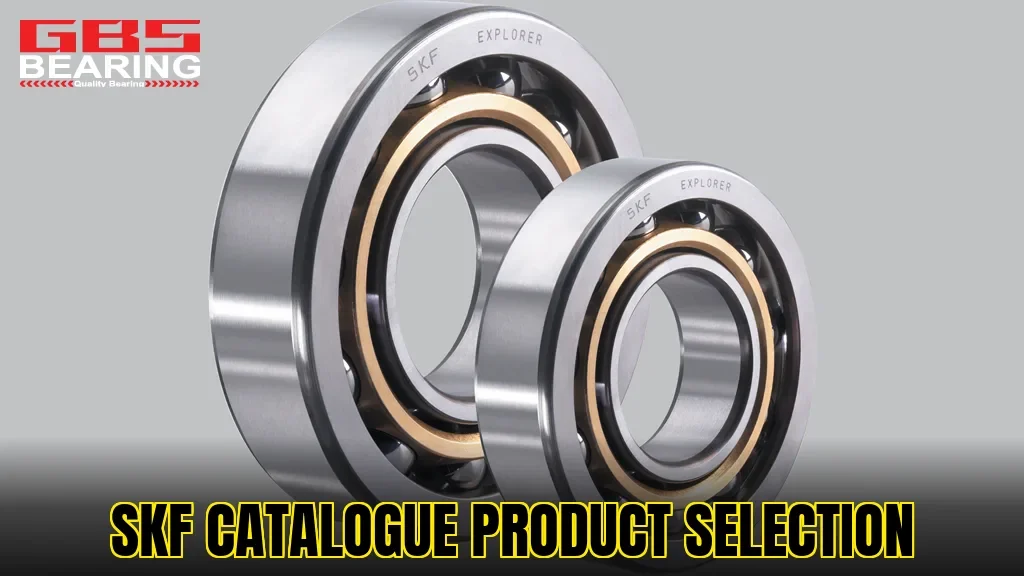
Effective use of the SKF Bearing Catalogue Guide requires a systematic approach to product selection. The process typically begins with defining the application requirements — including shaft diameter, housing bore, operating speed, load direction and magnitude, operating temperature, and environmental conditions. Once these parameters are established, users can narrow down the bearing type, size, and configuration using the catalogue’s selection tables and engineering formulas. SKF also provides digital tools and software that complement the printed catalogue, making the selection process faster and more accurate for complex applications.
Using The SKF Bearing Catalogue Guide For Lubrication Selection
Lubrication is one of the most important factors affecting bearing performance and longevity, and the SKF Bearing Catalogue Guide dedicates significant attention to this topic. The catalogue provides guidance on selecting the appropriate lubricant type — grease or oil — based on operating speed, temperature range, load conditions, and contamination risk. It also includes relubrication intervals, grease quantity recommendations, and compatibility information for different bearing materials and seal types. Proper lubrication selection based on the catalogue’s guidelines can dramatically extend bearing service life and reduce unplanned maintenance events.
Mounting And Dismounting Procedures Outlined In The Guide
Incorrect installation is one of the leading causes of premature bearing failure, which is why the SKF Bearing Catalogue Guide includes detailed mounting and dismounting procedures for different bearing types and configurations. The guide covers mechanical fitting methods, thermal mounting techniques using induction heaters, and hydraulic methods for large bearings. It also explains how to check shaft and housing fits, verify alignment, and apply the correct preload for angular contact bearings. Following these procedures as outlined in the catalogue helps ensure that bearings are installed correctly from the start, maximizing their operational lifespan.
Technical Data Tables And Standards In The SKF Bearing Catalogue Guide
The SKF Bearing Catalogue Guide is rich with standardized data tables that engineers rely on for precise engineering calculations. These tables cover everything from dimensional tolerances and internal clearances to fatigue load limits and speed ratings. Below is a representative summary of the types of data typically found across major bearing categories in the SKF catalogue:
| Bearing Type | Typical Bore Range (mm) | Load Direction | Speed Capability | Key Application |
|---|---|---|---|---|
| Deep Groove Ball Bearing | 3 – 2000 | Radial + Axial | Very High | Electric motors, pumps |
| Cylindrical Roller Bearing | 20 – 1000 | Primarily Radial | High | Gearboxes, machine tools |
| Tapered Roller Bearing | 15 – 1500 | Radial + Axial | Moderate | Automotive, heavy machinery |
| Spherical Roller Bearing | 25 – 1250 | Radial + Axial | Moderate | Mining, paper mills |
| Angular Contact Ball Bearing | 10 – 320 | Combined Loads | Very High | Spindles, compressors |
| Thrust Ball Bearing | 10 – 500 | Axial Only | Low to Moderate | Vertical shafts, jacks |
These tables are complemented by engineering formulas for calculating equivalent dynamic load, adjusted rating life, and bearing friction torque. The SKF Bearing Catalogue Guide also aligns with ISO and ABMA standards, ensuring that the data is universally applicable and compatible with international engineering specifications. This standardization is particularly valuable for multinational companies that need to source and specify bearings across different geographic markets while maintaining consistent quality and performance benchmarks.
Conclusion
The SKF Bearing Catalogue Guide is an invaluable resource for anyone involved in the specification, procurement, installation, or maintenance of rolling element bearings. From decoding bearing designations and interpreting load ratings to selecting the right lubrication and following correct mounting procedures, this guide equips professionals with the knowledge they need to maximize bearing performance and equipment reliability. If you are looking to source high-quality bearings backed by expert technical support, partnering with a trusted Bearing Supplier ensures you have access to genuine SKF products and the guidance needed to apply them correctly in your specific application.
Xem thêm: SKF NX25 Bearing: Technical Specifications, Applications, And Performance Insights