
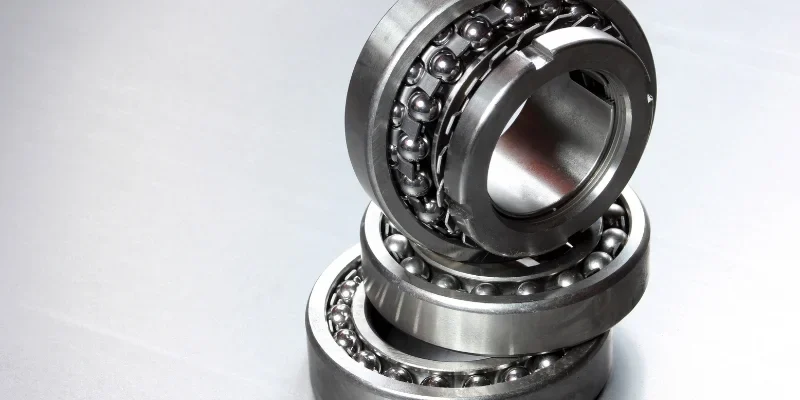
SKF bearing dimensions chart is a useful reference point when determining bore diameter d, outer diameter D, width B, along with specifications such as C, T, or H according to each bearing type. The following content from GBS Bearing clarifies how to read designations, distinguish structures, compare product codes, measure existing bearings, and verify data before selecting a replacement solution.
Reading SKF bearing dimensions chart with correct designations
SKF bearing dimensions chart represents the standard bearing dimension system through technical symbols such as bore diameter, outer diameter, and width. This chart helps GBS Bearing describe product configurations according to each bearing type.
Meaning of dimensions d, D, B, C, T, and H
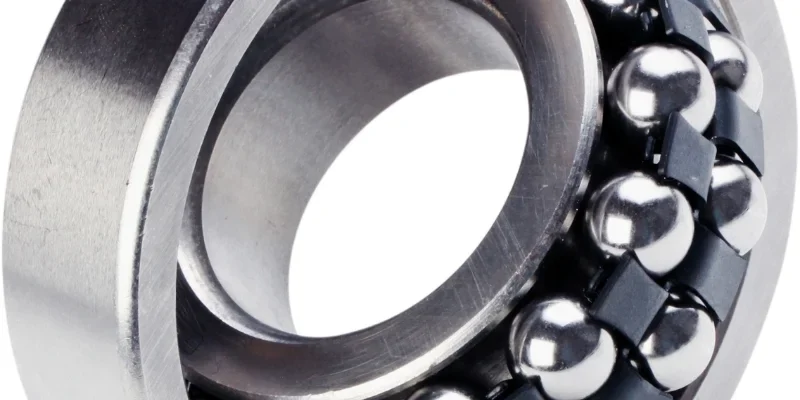
In SKF bearing dimensions chart, the symbols d, D, B, C, T, and H represent different geometric specifications of bearings. d typically indicates the inner bore diameter, D represents the outer diameter, while B indicates the width of the radial bearing.
The symbols C and T commonly appear in tapered roller bearings to describe overall width or the width of the inner ring assembly. H is frequently used in thrust bearings to represent axial height. Understanding each symbol helps correctly interpret the dimensional structure of each product series.
Relationship between bearing codes and standard dimensions
In SKF bearing dimensions chart, bearing codes are directly linked to the standard dimension groups of products. Each designation sequence on a bearing usually contains information about the bearing type, dimension series, and bore diameter.
For example, a bearing code can indicate whether the product is a ball bearing, tapered roller bearing, or another specialized bearing type. The bore code combined with the series helps determine the corresponding d, D, and B dimensions in technical reference charts.
Application range according to each bearing type
SKF bearing dimensions chart is used for many different bearing types, with each group having its own dimensional representation. Radial bearings usually focus on three main dimensions: inner diameter, outer diameter, and width.
Other groups such as tapered roller bearings, thrust bearings, or needle roller bearings include additional specifications to describe their construction. These differences allow dimension charts to support various applications, from motors and gearboxes to industrial equipment.
Classifying dimensions by bearing structure
Bearing dimension charts are divided according to different structural designs to represent installation characteristics and operating capabilities. SKF bearing dimensions chart helps identify differences between bearing groups through their specific sets of parameters.
Radial bearings: reading the d × D × B dimension set
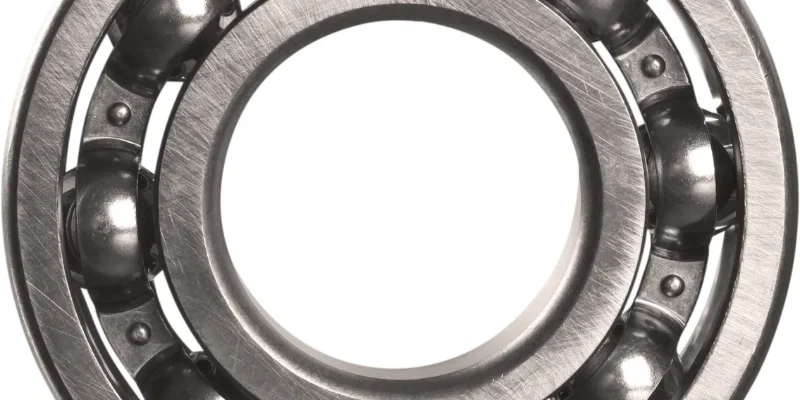
For radial bearings, SKF bearing dimensions chart commonly uses the three dimensions d × D × B to describe the product. This is a common representation for deep groove ball bearings, cylindrical roller bearings, and many radial load-bearing types.
Among these values, d determines the shaft installation size, D represents the outer bearing dimension, and B describes the width. For example, when replacing a bearing in an electric motor, these three specifications provide the foundation for selecting the correct installation size.
Tapered roller bearings: distinguishing width B, C, and T
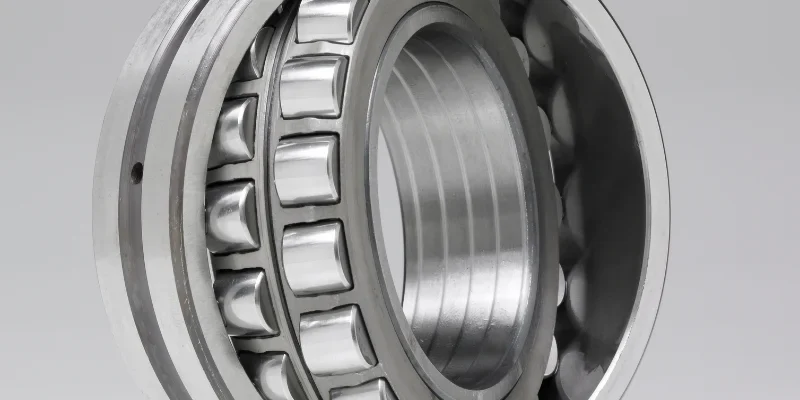
In SKF bearing dimensions chart, tapered roller bearings have a more complex dimension system because their construction includes an inner ring, outer ring, and tapered roller assembly. The specifications B, C, and T help distinguish the width of each section.
| Symbol | Meaning | Location represented |
| d | Bore diameter | Inner ring |
| D | Outer diameter | Outer ring |
| B | Inner ring width | Inner assembly |
| C | Outer ring width | Outer assembly |
| T | Total width | Complete bearing |
These specifications help accurately determine the fitting capability of tapered roller bearings in machinery subjected to combined loads.
Thrust bearings: determining d, D, and H dimensions
For thrust bearings, SKF bearing dimensions chart focuses on dimensions related to axial load capacity. The three commonly used specifications include d, D, and H, where H represents the overall bearing height.
Unlike radial bearings, thrust bearings are designed to handle axial forces, so height plays an important role in installation space arrangement. For example, thrust bearings used in vertical rotating mechanisms require accurate control of the H dimension.
Applying dimension charts when selecting bearings
Using SKF bearing dimensions chart helps the bearing identification and selection process based on specific dimensional data. GBS Bearing combines basic specifications with technical characteristics to determine suitable configurations.
Measuring old bearings when product codes are unclear
When bearing codes are missing or unreadable, SKF bearing dimensions chart can be used together with direct measurement methods. Users need to determine specifications such as bore diameter, outer diameter, and width.
The measurement process usually focuses on key areas:
- Measure the inner diameter of the bearing.
- Measure the outer diameter of the outer ring.
- Measure the overall width.
- Compare dimensions with standard charts.
This method helps narrow down the corresponding product group even when information on the bearing is incomplete.
Checking fitting tolerances before replacement
In SKF bearing dimensions chart, nominal dimensions are only one part of the bearing selection process. The fitting tolerances between the shaft, housing, and bearing also affect operating performance.
For example, bearings with the same d × D × B dimensions may still be used under different installation conditions through differences in accuracy grades, internal clearance, or design types. Therefore, dimensional specifications need to be combined with the technical requirements of the equipment.
How GBS Bearing checks codes and dimensions
GBS Bearing uses information from SKF bearing dimensions chart to compare product codes with actual dimensions. This process focuses on identifying compatibility between bearing designations, d, D, B specifications, and related characteristics.
The verification process includes comparing standard dimensions, bearing construction, and technical suffixes when available. This helps provide a more complete description of the product before selecting it for a specific application.
Conclusion
SKF bearing dimensions chart provides the greatest value when users correctly understand the symbols d, D, B, C, T, and H, identify the correct bearing type, and compare codes before replacement. Measurement steps, tolerance checks, and avoiding incorrect specifications help reduce the risk of selecting the wrong product. GBS Bearing can be used as a reference point for reviewing codes and measurements before making a final decision.