
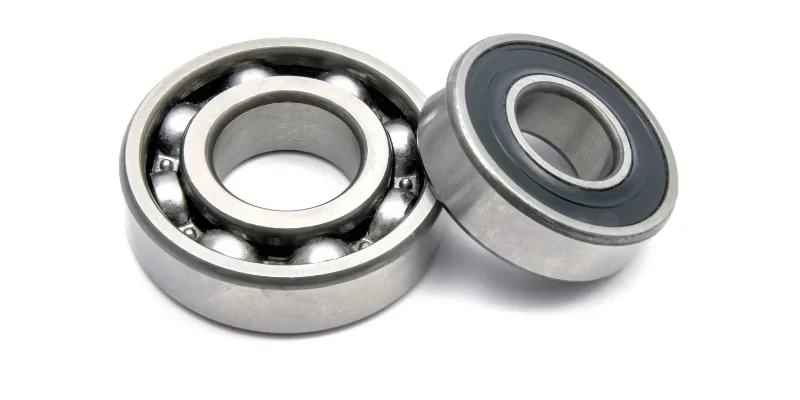
SKF bearing C3 meaning helps readers understand that C3 is a bearing internal clearance class that is larger than the standard level. GBS Bearing focuses on clarifying its technical meaning, the reasons for increasing clearance when temperature or interference fit conditions change, the differences compared with CN, and the criteria for selecting the correct clearance class to minimize overheating, noise, or reduced service life during operation.
SKF bearing C3 meaning and the nature of clearance
SKF bearing C3 meaning describes the internal clearance class of SKF bearings, representing the distance between rolling components before installation. This specification affects operating performance under various load and temperature conditions.
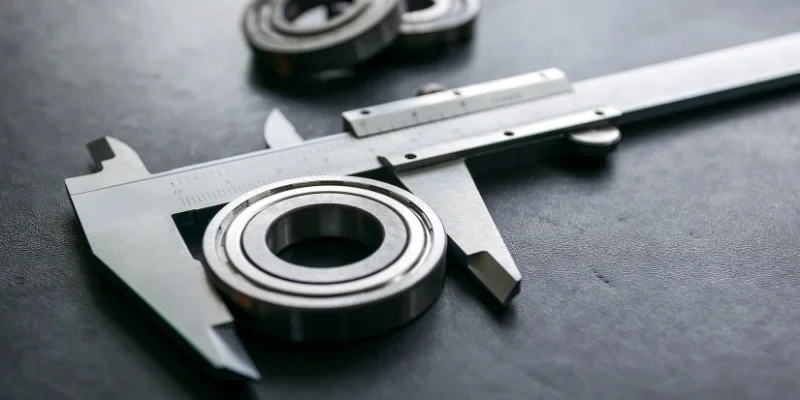
C3 indicates a larger internal clearance than CN
In SKF bearing C3 meaning, the C3 designation refers to a radial internal clearance class that is larger than the standard CN level. This additional clearance is designed to allow the bearing to adapt to thermal expansion or special installation conditions.
During operation, increasing temperatures can cause components to expand and reduce the initial clearance. The C3 class provides the additional space needed to maintain stable rotation in applications with higher-than-normal temperatures or loads.
How does radial clearance change after installation
SKF bearing C3 meaning is directly related to changes in clearance after installation. When a bearing is pressed onto a shaft or into a housing with a certain interference fit, the inner or outer ring may undergo slight deformation, reducing the original clearance.
For bearings with C3 clearance, the additional internal space compensates for this reduction. This is commonly considered in applications such as electric motors, industrial machinery, or continuously operating equipment.
How does operating temperature affect clearance changes
In SKF bearing C3 meaning, operating temperature is an important factor in understanding why this clearance class exists. When bearings rotate at high speeds, friction-generated heat can cause internal components to change dimensions.
The C3 class helps maintain appropriate clearance after temperature increases. If clearance is too small in hot environments, bearings may experience changes during movement; therefore, the clearance class should be selected based on actual operating conditions.
Comparing C3 with other clearance classes
SKF bearing C3 meaning needs to be considered in relation to other clearance classes such as C2, CN, and C4. Each class is designed for different operating conditions, from standard applications to high-temperature environments.
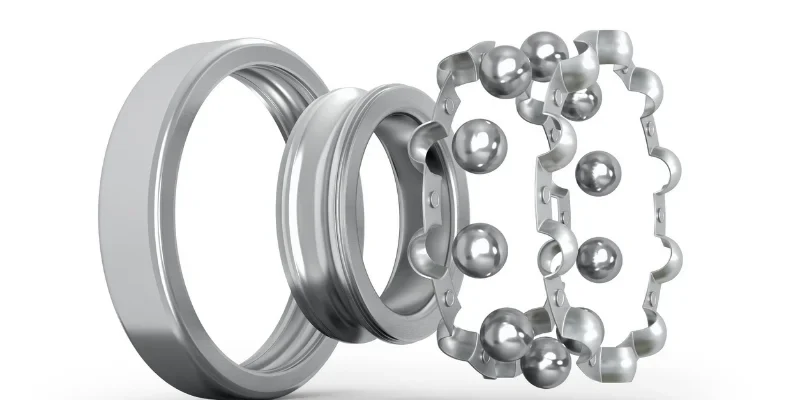
C2 is suitable when smaller-than-standard clearance is required
Within the SKF bearing C3 meaning system, C2 is a clearance class smaller than CN and is used when higher positional accuracy is required. Smaller clearance helps limit internal movement when the bearing operates under suitable conditions.
C2 clearance is commonly found in applications where there is no significant temperature increase or where extensive thermal expansion compensation is not required. Selecting C2 depends on machine design, installation methods, and equipment operating requirements.
CN is used for standard operating conditions
SKF bearing C3 meaning is often compared with CN because CN is the standard clearance class used most commonly. CN represents the normal clearance level when bearings operate under basic design conditions.
Bearings with CN clearance are suitable for many standard industrial applications such as transmission machinery, mechanical equipment, and systems without significant temperature variations. This level provides a balance between operating performance and stability.
C4 is required when temperature and interference fit increase
In SKF bearing C3 meaning, C4 is a clearance class larger than C3 and is used in cases where additional internal space is required. This class is suitable for environments with high temperatures or large interference fits.
| Clearance class | Characteristics | Operating conditions |
| C2 | Smaller than standard | Requires low internal play |
| CN | Standard level | General applications |
| C3 | Larger than CN | Higher temperature or load |
| C4 | Larger than C3 | More demanding conditions |
The differences between clearance classes lie in the amount of internal clearance and their ability to adapt to operating environments.
How to select C3 clearance based on operating conditions
Applying SKF bearing C3 meaning in bearing selection requires considering machine specifications, temperature, rotation speed, and installation methods. The C3 class is not simply a symbol but represents a specific technical configuration.
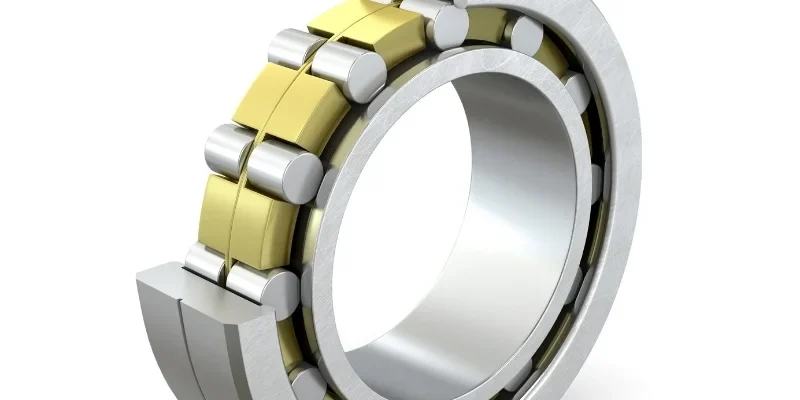
Interference fit determines the remaining clearance
In SKF bearing C3 meaning, interference fit directly affects the remaining clearance after the bearing is installed into its working position. When a bearing is press-fitted, the dimensions of the inner or outer ring may change slightly.
The C3 class helps maintain the necessary clearance in situations where installation causes a reduction in clearance. This is an important factor often considered in machine assemblies requiring stable bearing operation over long periods.
Rotation speed affects clearance requirements
SKF bearing C3 meaning is also related to rotation speed because higher speeds usually generate more heat during operation. As heat increases, component expansion can change the internal spacing of the bearing.
Equipment such as high-speed electric motors or continuously operating industrial machines often requires careful consideration of suitable clearance classes. C3 may be selected when additional internal space is needed to maintain stable movement.
GBS Bearing checks codes before replacement
GBS Bearing supports bearing code verification when users need to determine product configurations before replacement. Correctly reading designations helps distinguish versions with the same dimensions but different clearance classes.
With SKF bearing C3 meaning, identifying the correct C3 suffix helps select bearings that match operating requirements. Information about dimensions, construction, and usage conditions needs to be combined to accurately identify the right product.
Conclusion
SKF bearing C3 meaning should be understood through internal clearance, operating temperature, interference fit, and rotation speed rather than viewing C3 as a sign of higher quality. By correctly comparing operating conditions and installation requirements, readers can select a more suitable clearance class. GBS Bearing recommends checking complete codes and specifications before replacement.