
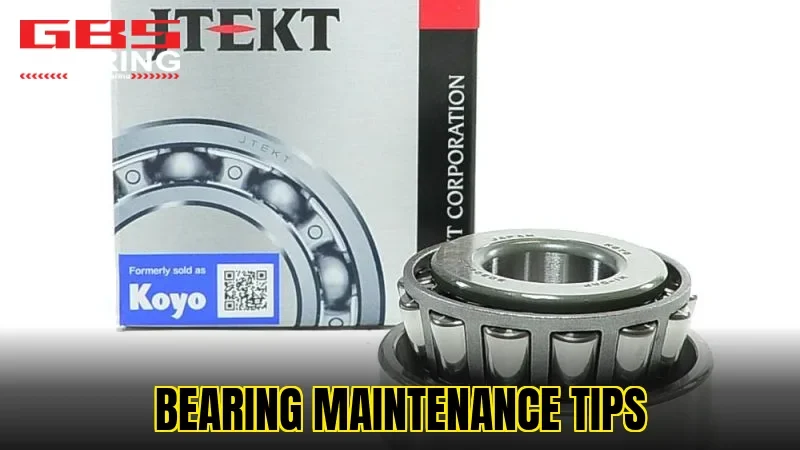
When it comes to industrial machinery performance, KOYO Bearing Maintenance Tips are among the most searched topics by engineers and maintenance professionals worldwide. KOYO bearings are engineered to deliver outstanding precision and durability, but even the highest-quality components require consistent care to perform at their best. Whether you’re managing heavy manufacturing equipment or precision instruments, understanding how to properly maintain KOYO bearings can dramatically reduce downtime, lower operational costs, and extend the overall service life of your machinery. This guide covers everything you need to know.
Why Proper Bearing Maintenance Matters For Industrial Operations
Bearings are the silent workhorses of any rotating machinery. They carry radial and axial loads while minimizing friction between moving parts, and when they fail, the consequences can be costly. KOYO bearings are manufactured to tight tolerances using high-grade steel and advanced heat treatment processes, which means they are built to last — but only when maintained correctly. Neglecting routine inspection and lubrication can lead to premature wear, overheating, and catastrophic failure that disrupts entire production lines.
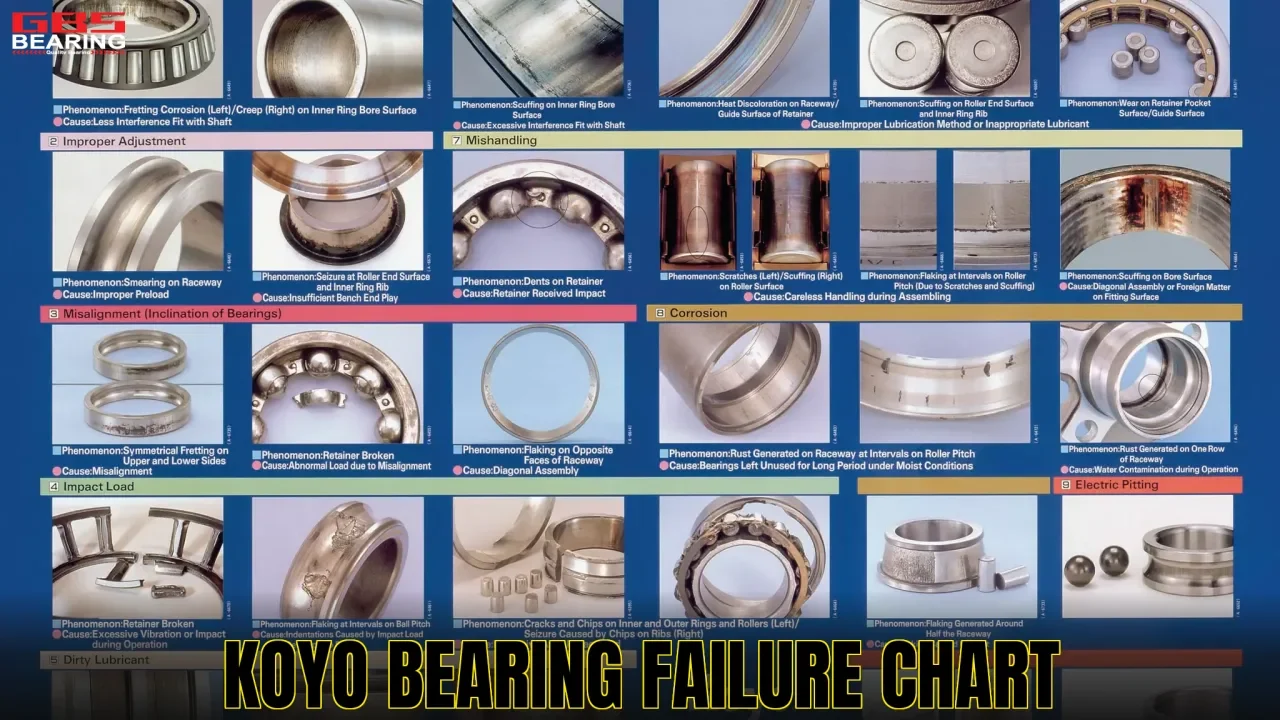
Understanding the root causes of bearing failure is the first step toward effective maintenance. Studies from bearing manufacturers and industrial maintenance organizations consistently show that over 80% of premature bearing failures are caused by improper lubrication, contamination, misalignment, or incorrect installation. Each of these factors is entirely preventable with a structured maintenance program. Applying KOYO Bearing Maintenance Tips systematically gives your team the tools to identify warning signs early and act before small issues become expensive problems.
Essential KOYO Bearing Maintenance Tips You Should Know
Implementing a reliable maintenance routine begins with understanding the specific requirements of KOYO bearings and how they interact with the operating environment. These tips cover the most critical aspects of bearing care, from lubrication to contamination control, and are applicable across a wide range of industrial applications including electric motors, conveyor systems, gearboxes, and pumps.
Lubrication Best Practices For KOYO Bearings
Lubrication is arguably the single most important factor in bearing longevity. KOYO bearings can be lubricated with either grease or oil, depending on the application, speed, load, and operating temperature. Grease lubrication is preferred for most standard applications due to its ease of use and ability to act as a seal against contamination. Oil lubrication is more suitable for high-speed or high-temperature environments where heat dissipation is critical. One of the most important KOYO Bearing Maintenance Tips is to always use the lubricant grade recommended in the product specification sheet.
Contamination Control And Sealing Strategies
Contamination is one of the leading causes of premature bearing failure, and it is entirely avoidable with the right precautions. Dust, moisture, metal particles, and chemical agents can all infiltrate bearing assemblies and cause abrasive wear or corrosion. KOYO offers a range of sealed and shielded bearing variants specifically designed to resist contamination in harsh environments. Selecting the appropriate sealing configuration for your application is a fundamental part of any KOYO Bearing Maintenance Tips strategy.
Proper Installation And Alignment Techniques
Incorrect installation is responsible for a significant percentage of early bearing failures. Applying force to the wrong bearing ring during press-fit installation can cause brinelling — small indentations on the raceway that lead to vibration, noise, and accelerated wear. Always apply installation force to the ring with the interference fit: the inner ring when mounting onto a shaft, and the outer ring when mounting into a housing. Using purpose-built installation tools such as bearing fitting kits or hydraulic presses ensures that force is applied evenly and safely.
KOYO Bearing Maintenance Tips: Inspection, Monitoring, And Replacement Schedule
A well-structured inspection and monitoring program is the backbone of any successful bearing maintenance strategy. Rather than waiting for a bearing to fail before taking action, predictive maintenance techniques allow teams to detect early signs of deterioration and schedule replacements during planned downtime. This approach minimizes unplanned outages and maximizes overall equipment effectiveness (OEE) across your facility.
Vibration Analysis And Condition Monitoring
Vibration analysis is one of the most powerful tools available for bearing condition monitoring. As bearings wear, they produce characteristic vibration signatures at specific frequencies related to their geometry and rotational speed. By measuring and trending these vibration levels over time, maintenance engineers can detect defects in raceways, rolling elements, and cages long before they cause visible damage. Portable vibration analyzers and permanently installed monitoring systems are both effective options depending on the criticality of the equipment. Incorporating vibration analysis into your KOYO Bearing Maintenance Tips program transforms reactive maintenance into a data-driven discipline.
Temperature Monitoring During Operation
Abnormal bearing temperature is a reliable early indicator of lubrication failure, overloading, or misalignment. KOYO bearings are designed to operate within specific temperature ranges, and sustained operation above these limits degrades both the lubricant and the bearing steel itself. Infrared thermometers and thermal imaging cameras allow maintenance teams to measure bearing housing temperatures quickly and non-invasively during normal operation. Establishing baseline temperature readings for each piece of equipment makes it easier to identify deviations that require investigation. Temperature trending should be a standard component of any comprehensive KOYO Bearing Maintenance Tips checklist.
Recommended Inspection And Replacement Intervals
Establishing clear inspection and replacement schedules is essential for maintaining bearing reliability. The following table provides general guidance based on application type and operating conditions. Actual intervals should be adjusted based on manufacturer recommendations, historical failure data, and the results of ongoing condition monitoring.
| Application Type | Inspection Interval | Re-lubrication Interval | Replacement Trigger |
|---|---|---|---|
| Light-duty electric motors | Every 6 months | Every 3–6 months | Vibration spike or noise increase |
| Heavy industrial conveyors | Every 3 months | Every 1–2 months | Temperature rise above baseline |
| High-speed spindles | Every 1 month | Every 500–1000 operating hours | Any detectable play or noise |
| Agricultural machinery | Every season | Before each operating season | Visible corrosion or seal damage |
| Pump and compressor systems | Every 3 months | Every 2–3 months | Elevated noise or vibration readings |
Conclusion
Applying consistent and informed KOYO Bearing Maintenance Tips is one of the most effective investments a maintenance team can make. From selecting the right lubricant and controlling contamination to monitoring vibration and temperature trends, every step in the maintenance process contributes directly to bearing longevity and machine reliability. Proactive care reduces unplanned downtime, lowers total cost of ownership, and keeps your operations running at peak efficiency. If you are looking for genuine KOYO bearings, expert technical support, or a complete range of industrial bearing solutions, partnering with a trusted Bearing Supplier ensures you always have access to the right products and the right guidance.
Xem thêm: KOYO Bearing Applications